Guide · updated November 2026
Cycling in Mongolia: a practical guide
When to go, what the tracks are like, water, sleeping, visas and the route we ride, from the team that ran the Mongolia Bike Challenge for 11 editions.
Cycling in Mongolia means dirt tracks across open steppe, huge distances between villages and nights in ger camps or under the stars. The riding season is short, roughly June to September. You need a mountain or gravel bike with wide tyres, a plan for water and food, and good navigation.
What is cycling in Mongolia like?
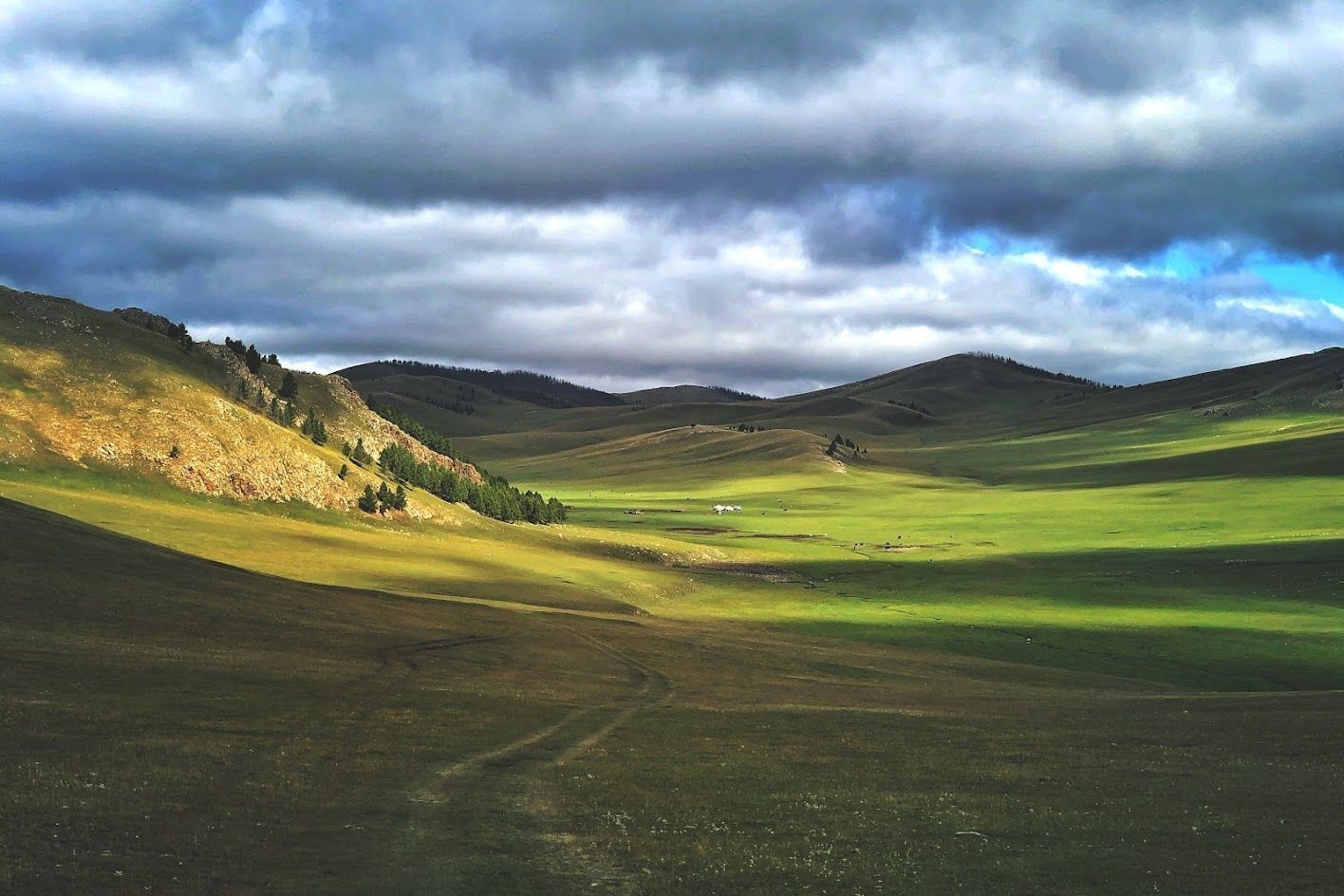
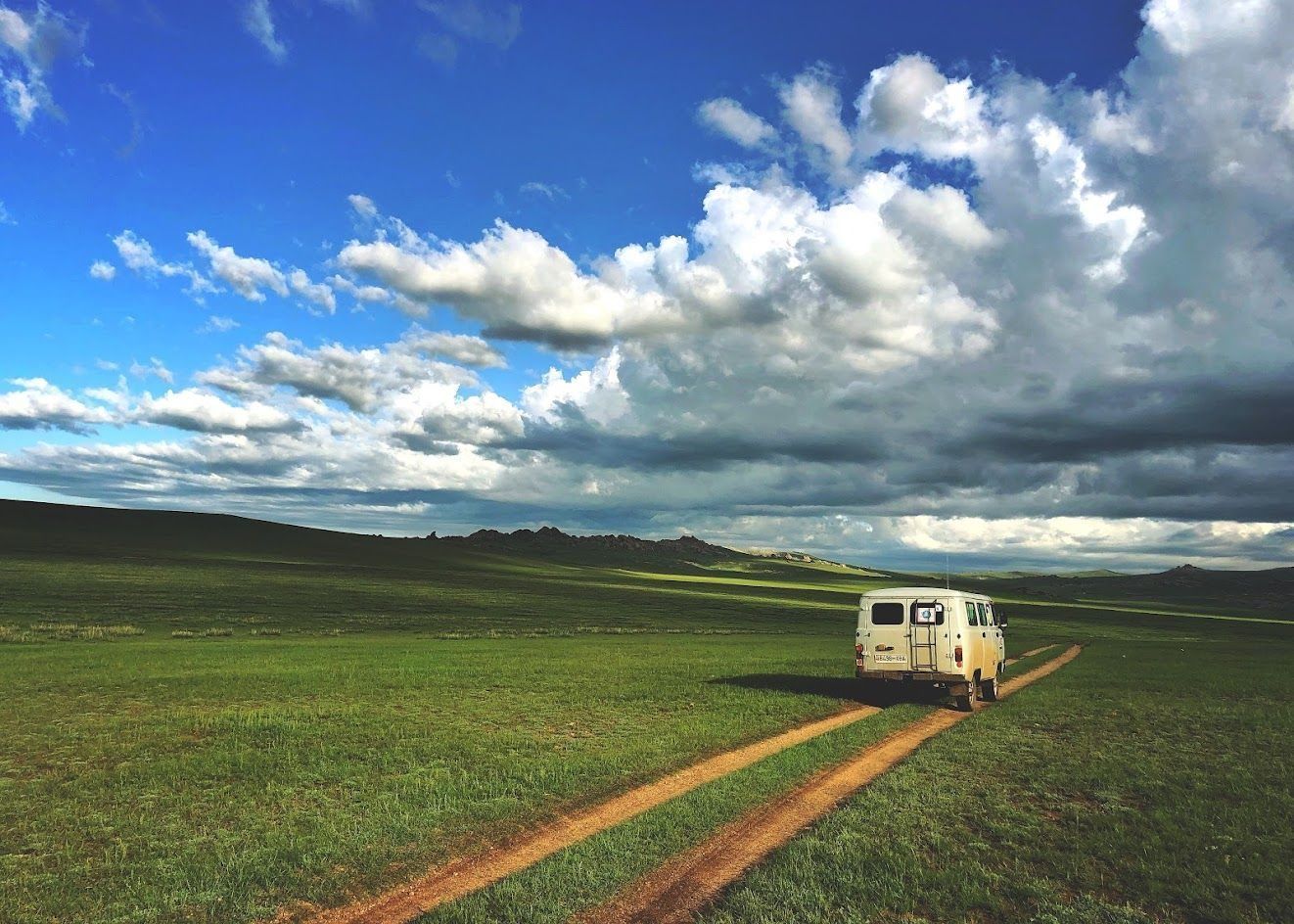
Outside Ulaanbaatar, most of Mongolia is crossed by dirt tracks rather than roads. They braid, split and rejoin across the steppe, climb over grassy passes and drop into wide valleys. Some stretches are sandy; near the Little Gobi you may push the bike for a while. Horses, herds and the gers of nomadic families are often the only signs of life for hours.
We know these tracks well. In 2010 we created the Mongolia Bike Challenge, a mountain bike stage race we ran for 11 editions, and we have guided trips across the country ever since.
When is the best time to cycle in Mongolia?
From June to September. Summer is short, days are warm and nights can be cold, and the weather turns quickly: a sunny morning can end in a storm. July is the month of Naadam, the national festival; August brings green steppe and settled riding, and it is when we ride.
Which bike do I need?
A mountain bike or a gravel bike with wide tyres. The tracks are rarely technical, but they are rough, corrugated and sometimes sandy, and you ride them for days. Bring spares: shops are rare outside the capital.
Water, food and resupply
Villages with small shops appear every day or two on most routes; between them you carry what you need. On our trip a support vehicle, a Russian UAZ van, carries the luggage, the food and the water for each stage, and we stock up in villages along the way.
Where do you sleep?
In ger camps, the traditional felt tents of the steppe, often with hot water, proper beds and dinner at the table, and in your own tent in the wild. On our trip we spend about half the nights in ger camps and half camping.
Navigation
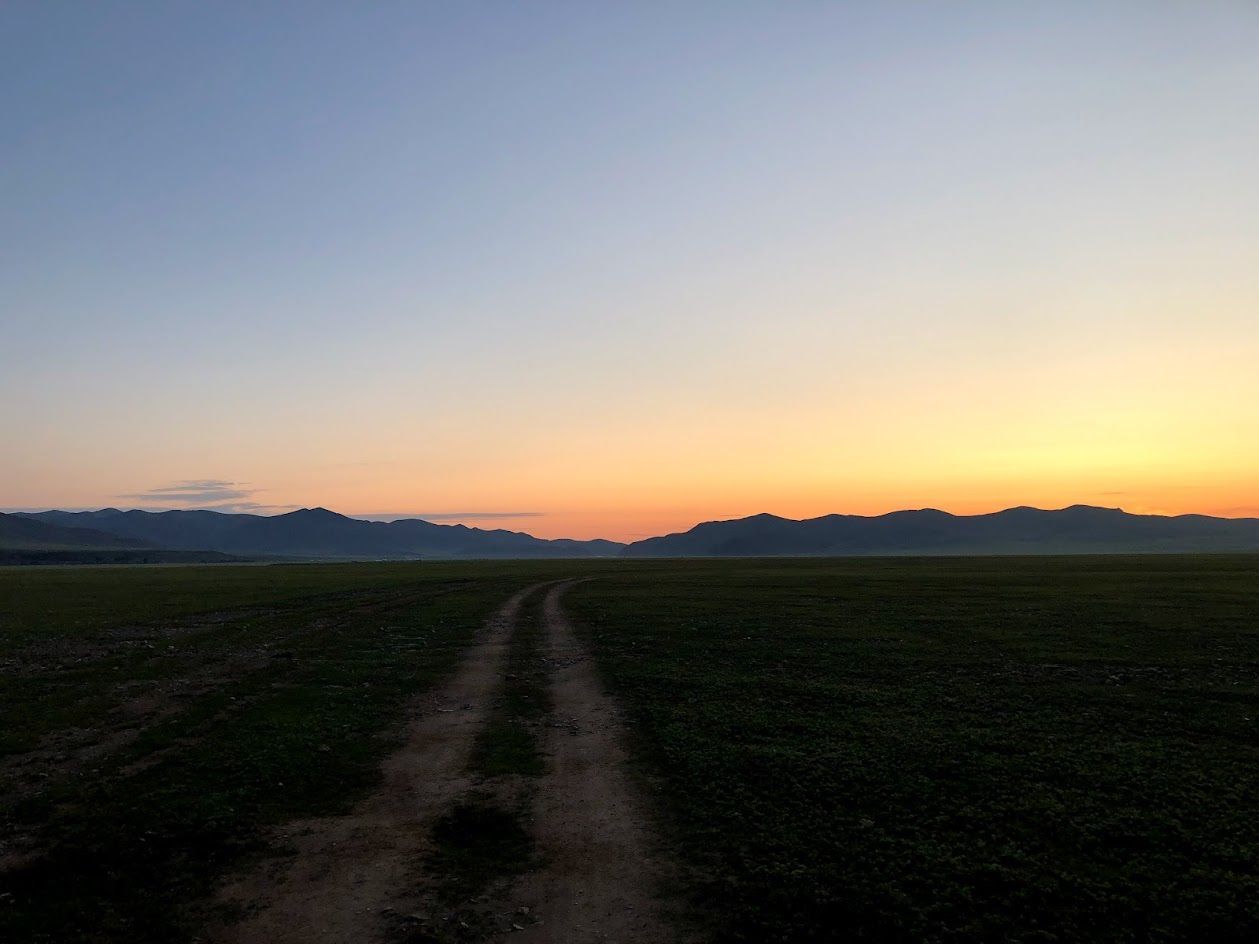
Tracks multiply across the steppe and signposts are rare, so a GPS track is essential, and a backup on your phone. Mobile coverage is good near towns and patchy in between.
Do I need a visa for Mongolia?
It depends on your passport and the rules change often. Citizens of the United States can visit without a visa for up to 90 days, and many European countries have had a temporary visa exemption of up to 30 days for tourism. Check the official list of visa-exempt countries before you book your flights.
The route we ride: Ulaanbaatar to Kharkhorin
Eight stages and about 671 km from the capital to Kharkhorin, the ancient seat of the empire. We enter the steppe on the first day, cross rivers and passes, reach the dunes of the Little Gobi after Lake Tara, ride past Sangiin Dalai Nuur and over 2,000 metres, then follow rivers and valleys to Kharkhorin, a UNESCO World Heritage site. There is a rest day at the Little Gobi and a day off in Kharkhorin.
Ride Mongolia with us
15 days in August, with a support van, ger camps and nights under the stars. Rated medium-high.
Questions about cycling in Mongolia
Is cycling in Mongolia hard?
The distances and the remoteness are the hard part more than the climbing. Our route has around 7,000 m of climbing over eight stages, on dirt tracks all the way.
Can I bikepack Mongolia on my own?
Yes, many riders do, but plan carefully for water, food, spares and navigation, and allow for the weather. A guided trip with a support vehicle lets you ride light and focus on the landscape.
Is the Mongolia Bike Challenge still running?
No. We no longer organise the race. Read its story.
More questions? Read our general FAQ, write to info@pa-cycling.cc or message us on WhatsApp.